Grow Smarter: The Benefits of Using Planter Bags in Your Garden
Gardening is a rewarding hobby that brings a sense of tranquility and accomplishment, whether you're growing vibrant flowers, fresh vegetables, or aromatic herbs. However, not everyone has the luxury of space or the right conditions for traditional gardening. This is where planter bags come into play, providing an innovative solution that allows gardeners to maximize their growing potential. In this article, we will explore the myriad benefits of using planting garden bags, delve into why they are preferable to traditional pots, and highlight products from manufacturers like Mahira Polyglobal LLP that set the standard for quality in this essential gardening tool.
.jpg)
What are Planter Bags?
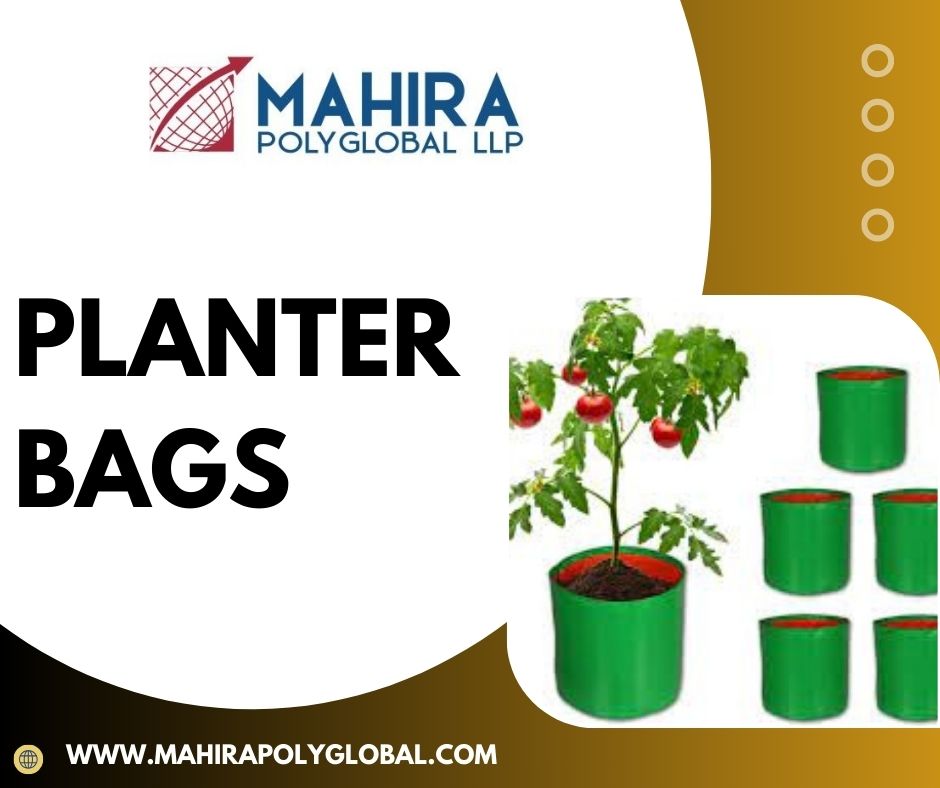
Planter bags, often referred to as Garden bags for planting, are flexible, breathable bags designed for growing plants. They are usually made from materials such as non-woven fabrics, which allow for excellent drainage and aeration. Planter bags come in various sizes, accommodating everything from small herbs to larger vegetable and flower varieties, making them ideal for any gardening enthusiast.
Benefits of Using Planter Bags
1. Space Optimization
One of the most significant advantages of planter bags is their ability to maximize space. In urban or small environments, where traditional pots might take up valuable real estate, garden bags for planting can be positioned almost anywhere—balconies, patios, rooftops, or even indoors by sunny windows. Their flexibility allows for creative arrangements, enabling you to grow more plants per square foot.
2. Improved Root Health
Using Planting garden bags significantly benefits root health. The materials used to create these bags promote air pruning, which occurs when roots grow to the edge of the bag and are exposed to air. Instead of circling back around and becoming root-bound like in traditional pots, the roots are pruned by the air, stimulating further growth and resulting in a stronger, more fibrous root system.
3. Effective Drainage
Proper drainage is critical for plant health, and planter bags are designed with this in mind. Unlike conventional pots, which can become waterlogged if not correctly drained, Garden bags for plants have small holes or permeable materials that allow excess water to escape. This prevents root rot and other issues associated with overwatering, making it easier to maintain optimal moisture levels for plant growth.
4. Lightweight and Portable
Planter bags are typically much lighter than ceramic or plastic pots, making them easy to move around. This portability allows gardeners to reposition plants based on sunlight, seasonality, or aesthetic preferences. If a specific area requires more light exposure or shade, you can easily shift the bags without the strain of lifting heavy pots.
5. Cost-Effectiveness
Investing in quality garden bags for planting can be more affordable than purchasing various traditional pots, especially if you're looking to grow a large number of plants. Since these bags are often made from durable, non-woven materials, they can provide long-term value while requiring fewer replacements. Retailers like Mahira Polyglobal LLP offer high-quality planter bags at reasonable prices, making them a popular choice for cost-conscious gardeners.
6. Eco-Friendly Options
With increasing awareness of environmental issues, many gardeners are looking for sustainable gardening solutions. Many planter bags are made from eco-friendly materials that can be biodegradable or recycled. By opting for these sustainable options, gardeners like you can reduce the impact of plastic waste and contribute to a greener planet.
7. Versatile Planting Options
Another significant benefit of using planter bags is their versatility. These bags can accommodate a wide range of plants—herbs, flowers, vegetables, or even small shrubs—making them a valuable tool for any type of gardening. You can experiment with your gardening technique, trying out different plant combinations and growing styles without being limited to a particular type of pot.
8. Easy Maintenance
Maintaining a garden can be labor-intensive, but planter bags simplify the process. They often require less upkeep compared to traditional pots. For instance, you won’t need to repot plants as frequently. Cleaning them is straightforward; just rinse them out and store them dry until you're ready for the next planting season.
Choosing Quality Planter Bags
Given the numerous benefits packed in these garden bags for plants, selecting a high-quality manufacturer is crucial. This is where brands like Mahira Polyglobal LLP shine; they specialize in producing durable, efficient, and eco-friendly planter bags. Whether you're a novice gardener or a seasoned expert, investing in quality planting garden bags can significantly enhance your gardening experience.
Conclusion
Using planter bags represents an innovative approach to gardening that can optimize space, improve plant health, and make gardening more accessible for people in various living situations. Their versatility and affordability make them an excellent choice for anyone looking to grow plants at home, whether you're a novice or an experienced gardener.
As urban gardening continues to rise in popularity, adopting smarter solutions like garden bags for planting will allow you to enjoy the joys of gardening without the constraints of traditional practices. With reliable manufacturers like Mahira Polyglobal LLP, you can find high-quality options that not only support your gardening goals but also align with sustainable practices.
Make the leap today—grow smarter with planter bags and enjoy flourishing plants that brighten your home and your life!
Frequently Asked Questions (FAQ)
1. What are the sizes of planter bags available?
Planter bags come in various sizes, ranging from small bags suitable for herbs to larger ones ideal for shrubs and vegetables. Choose the size based on the type of plants you wish to grow.
2. How do I maintain moisture in planting garden bags?
While these bags provide excellent drainage, you'll want to monitor soil moisture closely. Ensure you water your plants regularly while still allowing excess water to drain out to avoid root rot.
3. Can planter bags be reused?
Yes! With proper care, you can reuse planter bags for several growing seasons. After use, rinse them out and store them in a dry location for future planting.
4. Are there any disadvantages to using planter bags?
While planter bags have numerous advantages, they may require more frequent watering than traditional pots, as they tend to dry out faster. However, this can easily be managed with proper monitoring.
5. How do I choose the right type of planter bag?
Look for planter bags made from high-quality materials, such as non-woven fabrics. Check for features like drainage holes or air circulation properties, as these qualities contribute to better plant health. Brands like Mahira Polyglobal LLP offer well-constructed options to consider.
6. Can I grow large plants in planter bags?
Yes, larger planter bags are specifically designed to accommodate bigger plants. However, ensure that you are using the appropriate size bag for your plant to allow for adequate root development.
7. Where can I purchase planter bags?
You can find planting garden bags at garden centers, hardware stores, and online retailers. Be sure to consider the brand's reputation and quality before making a purchase.


.jpg)
Comments
Post a Comment